PATIENT GUIDE · · 3 min read
Haematuria: Understanding Blood in the Urine
A little preparation can help you make the most of your conversation.
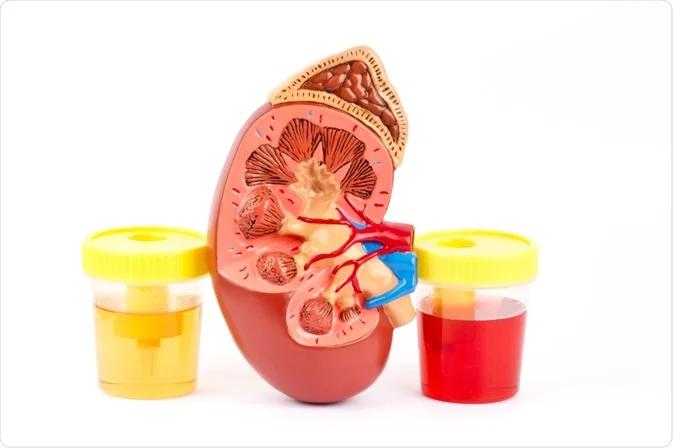
Haematuria: Understanding Blood in the Urine
https://upload.wikimedia.org/wikipedia/commons/thumb/9/96/Urinary_system.svg/800px-Urinary_system.svg.png
Figure 1: The human urinary system consists of the kidneys, ureters, bladder, and urethra. Blood may enter the urine from any part of this system.
Introduction
Haematuria is the medical term for the presence of blood in the urine. It can range from microscopic amounts detectable only through laboratory testing to visible blood that changes the color of urine to pink, red, or brown.
While haematuria is often caused by relatively common conditions such as urinary tract infections or kidney stones, it may also indicate more serious underlying diseases affecting the kidneys, bladder, or urinary tract.
Understanding the Urinary System
https://upload.wikimedia.org/wikipedia/commons/thumb/6/6f/Blausen_0592_KidneyAnatomy_02.png/800px-Blausen_0592_KidneyAnatomy_02.png
Figure 2: The kidneys filter waste from the blood and produce urine. Any damage, infection, or irritation within this system can potentially result in haematuria.
The urinary tract plays a crucial role in maintaining fluid balance and removing waste products from the body. When bleeding occurs anywhere along this pathway, red blood cells may appear in the urine.
Types of Haematuria
Gross Haematuria
Gross haematuria is visible to the naked eye. Urine may appear:
- Pink
- Red
- Brown
- Cola-colored
Even a small amount of blood can dramatically change urine color.
Microscopic Haematuria
Microscopic haematuria cannot be seen without laboratory testing. It is discovered when urine is examined under a microscope.
Common Causes of Haematuria
1. Urinary Tract Infections (UTIs)
https://upload.wikimedia.org/wikipedia/commons/thumb/8/88/Blausen_0871_UTI.png/800px-Blausen_0871_UTI.png
Figure 3: Urinary tract infections can inflame and irritate the bladder and urethra, causing blood to appear in the urine.
Common symptoms include:
- Frequent urination
- Burning sensation during urination
- Cloudy urine
- Lower abdominal discomfort
2. Kidney Stones
https://upload.wikimedia.org/wikipedia/commons/thumb/f/f8/Blausen_0594_KidneyStones.png/800px-Blausen_0594_KidneyStones.png
Figure 4: Kidney stones may scratch the urinary tract lining, resulting in pain and bleeding.
Symptoms often include:
- Severe flank pain
- Nausea
- Vomiting
- Painful urination
- Blood in urine
3. Enlarged Prostate
https://upload.wikimedia.org/wikipedia/commons/thumb/6/6e/Blausen_0800_Prostate.png/800px-Blausen_0800_Prostate.png
Figure 5: An enlarged prostate may obstruct urine flow and occasionally contribute to haematuria.
As men age, the prostate gland may enlarge and compress the urethra, causing urinary symptoms and sometimes blood in the urine.
4. Kidney Disease
https://upload.wikimedia.org/wikipedia/commons/thumb/6/6f/Blausen_0592_KidneyAnatomy_02.png/800px-Blausen_0592_KidneyAnatomy_02.png
Figure 6: Diseases affecting the kidney's filtering units can allow blood cells to leak into urine.
Inflammatory kidney conditions such as glomerulonephritis can damage the kidney's filtration system.
5. Urinary Tract Cancers
https://upload.wikimedia.org/wikipedia/commons/thumb/2/23/Urinary_bladder.svg/800px-Urinary_bladder.svg.png
Figure 7: Persistent or painless haematuria can sometimes be an early sign of bladder or urinary tract cancers.
Although less common, cancer affecting the bladder, kidney, ureter, or prostate must always be considered, particularly in older adults and smokers.
Risk Factors
Individuals may be at higher risk of haematuria if they have:
- Smoking history
- Age over 50 years
- Recurrent urinary tract infections
- Kidney stones
- Family history of kidney disease
- High blood pressure
- Exposure to industrial chemicals
Symptoms Associated with Haematuria
In addition to blood in urine, patients may experience:
- Painful urination
- Frequent urination
- Urgency to urinate
- Back or flank pain
- Fever and chills
- Fatigue
- Unexplained weight loss
The accompanying symptoms often provide important clues to the underlying cause.
How Doctors Diagnose Haematuria
https://upload.wikimedia.org/wikipedia/commons/thumb/7/78/Urinalysis.jpg/800px-Urinalysis.jpg
Figure 8: Urinalysis is one of the primary investigations used to detect blood and identify possible causes.
Common Diagnostic Tests
Urinalysis
Evaluates:
- Red blood cells
- White blood cells
- Protein
- Bacteria
Blood Tests
Help assess:
- Kidney function
- Infection markers
- Overall health status
Imaging Studies
Doctors may recommend:
- Ultrasound
- CT Scan
- MRI Scan
Cystoscopy
A flexible camera is inserted through the urethra to examine the bladder and urinary tract directly.
Treatment Options
https://images.pexels.com/photos/7089401/pexels-photo-7089401.jpeg
Figure 9: Treatment depends entirely on identifying and addressing the underlying cause of haematuria.
| Cause | Typical Treatment | |---------|------------------| | Urinary Tract Infection | Antibiotics | | Kidney Stones | Hydration and pain management | | Enlarged Prostate | Medications or surgery | | Kidney Disease | Disease-specific therapy | | Cancer | Surgery, chemotherapy, radiation therapy |
When Should You Seek Medical Attention?
Consult a healthcare professional immediately if you experience:
- Visible blood in urine
- Severe pain
- Fever
- Blood clots in urine
- Difficulty urinating
- Recurrent episodes of haematuria
- Unexplained weight loss
Prevention Tips
Although not all causes are preventable, the following measures may help reduce risk:
- Stay well hydrated
- Avoid smoking
- Maintain healthy blood pressure
- Treat urinary infections promptly
- Exercise regularly
- Follow a balanced diet
- Attend regular health checkups
Conclusion
Haematuria is an important symptom that should never be ignored. While many cases are caused by manageable conditions such as urinary tract infections or kidney stones, blood in the urine can also indicate serious diseases affecting the urinary tract. Early evaluation, timely diagnosis, and appropriate treatment are essential for achieving the best possible outcomes.
Disclaimer: This article is intended for educational purposes only and should not replace professional medical advice, diagnosis, or treatment. Always consult a qualified healthcare provider regarding medical concerns or symptoms.
General information only; not individual medical advice.